
 Find a branch
 Contact
 Help
Help
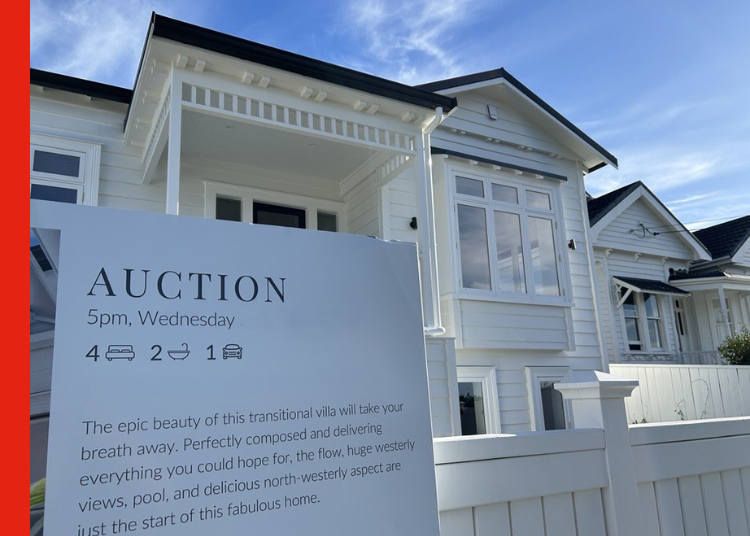
OPINION: While still frequently used, the difference between 2021’s peak house prices and current house prices is losing its relevance as a measure of the state of the current housing market.
Referencing current prices against peak prices leads to the inference that the current housing market is in the doldrums, wallowing without direction and in a far from healthy state.
The reality is far different.
The market, particularly in the major urban centres, is going through a significant period of growth, property is being sold or bought at solid levels, and the choice available to both buyers and renters is the most extensive it has been for many years.
No one is suggesting that prices are on the rise and are not way off the benchmark set in 2021, but price alone is not the only measure of the state of the housing market while 2021’s peak prices are themselves the end consequences of a set of circumstances that are unlikely to be ever repeated.
Cotality’s March pain & gain report, covering the March 2026 quarter, gives a good insight into why, when reviewing current house prices, we need to rethink context.
While it is disappointing for the people concerned, the 13% of the properties sold in the March 2026 quarter at a loss to their purchase price, is not a sign that the market is in retreat.
For a start, it means 87% of people made a gain. Also, Cotality points out that following the last major house price reversal (the Global Financial Crisis between 2007 to 2009) the number of sellers who sold at a loss reached as high as 20% - confirming there have been greater reversals of price in the past.
Of greater relevance is that the 2021 peak price era was the direct result of initiatives taken to counter the economic and social chaos created by Covid. To counter the impact of Covid, massive injections of money were released into the economy and lent at incredibly low interest rates. One of the end results was an unanticipated property boom.
In the space of two years the Real Estate Institute’s HPI index* rose from a base of 100 in December 2020 to 137 in December 2021 – meaning underlying housing values increased by 37% or a little over a third in one year, which can only be described as incredible and likely to be a never repeated occurrence.
Values have been fallen back and today have stabilised around 13% above 2020’s values.
During those 5 years of readjustment, the housing market, particularly in the large urban centres, has undergone a considerable transformation.
Where before Covid the level of the country’s housing stock was insufficient to meet demand, we now have an evenly supplied situation, with new builds constantly entering the market. These new builds have lifted the overall quality of the housing stock considerably and is leading to many existing owners who want to sell upgrading their properties before bringing them to market.
Interest rates have stabilised around what are by historical standards modest levels, and the house affordability ratio (price to income) has fallen from around 9.4 in 2021 to around 6.3 today – a fall of a third, although a negative factor is interest rates are higher today than they were in 2021.
Today, home sales are in good shape, and REINZ stats tell us that in 2025 more than 80,000 homes were sold countrywide. While down some 8,000 on those for 2021, sales have increased year on year since 2022 (62,000), and in 2026 from January to July sales numbers stood at 43,000.
Rather than stagnating the housing market is showing robust signs and is poised to benefit when the country’s economic recovery finally gains traction.
*REINZ’s HPI is the preferred measure of house price change across multiple years as it factors in the mix of properties sold.