
 Find a branch
 Contact
 Help
Help
Many New Zealand businesses use gas for heating, hot water, commercial cooking, or process heat used to make products, process food or run industrial equipment. With gas supply tightening and prices becoming harder to predict, it’s worth planning what comes next and exploring business gas alternatives.
Business electrification means replacing gas-powered systems with electric alternatives, like heat pumps, electric boilers or induction equipment. For some businesses, commercial solar, biomass and energy efficiency upgrades can also be part of a gas transition plan.
Taking steps early can help you reduce risk, find efficiencies, manage business energy costs and future-proof your business.
Do you use gas in your business?
Gas is commonly used by businesses for:
- Space heating and hot water
- Commercial kitchens and food processing
- Industrial heat and steam generation
- Manufacturing processes.
If any of these apply to your business, it may be worth exploring gas alternatives for businesses and ways to reduce commercial gas use.
What’s changing in New Zealand’s gas supply?
According to the Ministry of Business, Innovation and Employment (MBIE), New Zealand’s domestic gas supply is tightening as production declines and reserves reduce.
- Production has fallen in recent years due to natural field decline.
- Gas reserves have dropped to their lowest levels since records began.
This is contributing to uncertainty around long-term supply, pricing and business energy costs.
Why consider electrification now?
Manage long-term energy costs
Many businesses are shifting their focus to the total cost of energy, including fuel, efficiency, maintenance and future price risk. Taking a longer-term view, electric technologies may help reduce exposure to fuel price fluctuations and lower total energy costs, depending on your business and energy needs.
Reduce exposure to supply risk
As gas supply tightens, businesses may face increasing price volatility, competition, or availability constraints. Electrification can reduce reliance on natural gas and support a gas transition plan.
Access discounted lending and government support
Through the government’s Gas Transition Loan Guarantee Scheme, eligible New Zealand businesses that use natural gas may be able to access lower lending costs for eligible gas transitioning and energy efficiency gas reduction projects once loans become available.
The government also has advisory and financial support options available to help eligible businesses understand their options. Combined with sustainable finance solutions, now is a good time to consider transitioning your business away from gas.
EECA has information on support for natural gas users.
Lower emissions
New Zealand’s electricity system is largely renewable, so moving from gas to electric options will help reduce your emissions.
Stay competitive
Customers, supply chains and regulators are increasingly focused on sustainability. Acting early can help position your business for the future.
Gas alternatives for New Zealand businesses.
Depending on your operations, there may be gas alternatives available:
- Heat pumps for space heating and hot water
- Electric boilers for process heat used in manufacturing, industrial or commercial operations
- Induction or electric cooking equipment
- Energy efficiency upgrades to reduce overall demand and support lower-emissions business finance options.
Many businesses take a staged approach by reducing gas use first, then transitioning away from gas as assets reach their end of life.
How commercial solar can help
For some businesses, electrification can go hand-in-hand with on-site generation like commercial solar.
Solar energy can help businesses:
- Reduce their electricity costs and improve energy resilience
- Access a portion of energy at a more predictable price
- Reduce emissions while supporting business performance.
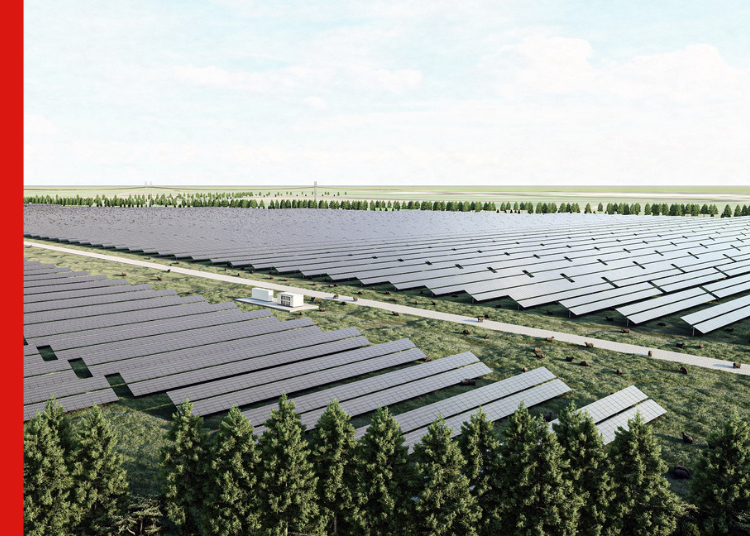
Commercial-scale solar is becoming more accessible in New Zealand, and it can help some businesses reduce energy costs and strengthen long-term energy security. Commercial solar isn’t right for every business, but if you have strong daytime electricity use and a focus on total cost of energy, it may be a useful part of your overall energy strategy.
How to start moving from gas to electricity.
Many businesses take a staged approach to transition from gas to electricity and build a practical gas transition plan:
- Understand your gas use: Identify where gas is used, what it costs and when key equipment needs replacing
- Start with efficiency: Reduce your natural gas use first through energy efficiency upgrades and process improvements
- Assess electrification options: Match solutions to your needs, like heat pumps, electric boilers, induction equipment or other business electrification options
- Compare total cost of energy: Look at lifetime costs, not just upfront spend, including efficiency, maintenance and future price risk
- Consider commercial solar: On-site solar can reduce electricity costs and improve price certainty over time.
Choose your pathway.
If you're not sure where to start, it can help to work out your gas transition plan step by step. The best approach depends on how much gas your business uses, the type of equipment you have and your plans for future investment.
If your equipment is still working well
Focus on understanding your energy use and identifying opportunities to improve efficiency and reduce natural gas use. This could include:
- Reviewing your gas and electricity costs
- Identifying high-energy equipment and processes
- Improving insulation, controls or operating practices
- Planning for future equipment replacement.
You may be able to access support to explore your options. Taking these steps can help you make better-informed decisions about whether to bring investment forward or wait until existing equipment reaches its end of its life.
If equipment needs replacing soon
If boilers, water heaters, kitchen equipment or heating systems are nearing replacement, it may be a good time to compare gas and electric alternatives and plan your move away from gas. You may be able to access support to explore your options.
When assessing your options, consider:
- Upfront purchase and installation costs
- Energy efficiency and operating costs
- Maintenance requirements
- Expected equipment lifespan
- Future energy price risks.
Looking at the total cost of ownership can give you a clearer picture than considering upfront costs alone.
If your business uses process heat
Businesses that rely on process heat for manufacturing, food production or industrial operations may need a more detailed gas transition plan.
Depending on your requirements, options may include:
- Electric boilers
- Industrial heat pumps
- Hybrid solutions that combine multiple technologies
- Staged replacement of equipment over time.
You may be able to access support to explore your options. Specialist assessments can help you work out which technologies are suitable for your processes and temperature requirements.
If you're looking to reduce energy costs
Many businesses begin by targeting energy efficiency upgrades and demand reduction before investing in new technology.
Potential opportunities include:
- Upgrading inefficient equipment
- Improving building performance
- Optimising operating schedules
- Installing smart energy monitoring systems
- Exploring on-site solar generation.
You may be able to access support to explore your options. Reducing energy demand first can improve the effectiveness of your future business electrification investments.
If you're planning for business growth
If you're expanding facilities, increasing production capacity or developing new sites, now may be a good opportunity to consider alternatives to gas from the start.
Building electrification into future planning can help:
• Avoid future retrofit costs
• Simplify long-term energy planning
• Improve energy resilience
• Support emissions reduction goals.
Build a transition plan that works for your business
Every business starts from a different position. Some organisations may be ready to electrify immediately, while others may need a longer-term plan aligned to equipment replacement cycles and investment priorities.
A good approach can be to start by understanding your current energy use, identifying opportunities to improve efficiency, assessing suitable business electrification options, and comparing whole-of-life costs. Then develop a staged transition roadmap that aligns with your business goals and investment plans.
You can find trusted, independent tools and guidance from the Energy Efficiency and Conservation Authority (EECA), including business energy guidance and planning, support for gas users, solar guidance for businesses and commercial-scale solar insights and case studies.
These resources can help you understand your energy use, identify opportunities and build a plan at your own pace.
How Westpac can support you.
We understand that the biggest challenge can be upfront costs and knowing where to start. We can help you take the next step, whether you're considering sustainable business finance, energy efficiency upgrades or equipment to move away from gas.
We’re committed to helping New Zealand businesses adapt and thrive in a changing energy landscape. By supporting investment today, we're helping build stronger businesses and communities and a more resilient future for Aotearoa.
Westpac may be able to support eligible projects through a range of business finance options, including:
- Gas Transition Loan Guarantee Scheme once loans become available
- Sustainable Business Loans, with preferential rates for eligible projects
- Sustainable Equipment Finance for assets like heat pumps, electric boilers or commercial solar
Talk to a Westpac Relationship Manager about finance options that could help your business reduce its reliance on gas, invest in lower-emissions equipment and manage business energy costs.
FAQs.
What does business electrification mean?
Business electrification means replacing gas-powered systems with electric alternatives, like heat pumps, electric boilers or induction equipment. It can help reduce reliance on gas and may lower emissions, depending on how and when your business uses energy.
What are the alternatives to gas for businesses?
Gas alternatives for businesses can include heat pumps, electric boilers, induction equipment, commercial solar and energy efficiency upgrades. The best option depends on how your business uses gas, your site, your equipment and your long-term plans.
Can solar help reduce business energy costs?
Commercial solar may help reduce electricity costs for businesses with strong daytime energy use. It can also support energy resilience and provide more price certainty over time.
Disclaimer.
You must be a business operating in New Zealand using at least 1000 gigajoules of natural gas on an annual basis.
Eligible projects must be involved in energy efficiency, fuel switching or asset switching, and be expected to achieve a reduction in annual natural gas consumption of at least 15% (not due to reduced production or output).
Additional borrower, project eligibility, maximum loan size and lending criteria apply. Terms, conditions, fees and charges apply to Westpac products and services. See the Business Transaction and Service Fees Brochure for details.
Business lending products are only available for business and/or investment purposes and not for personal, domestic or household purposes.
The material in this article is current as at 20 August 2026 and may vary from time to time. This material is provided for information purposes only and is not a recommendation or opinion in relation to any particular financial advice product. We recommend you consult a Westpac Financial Adviser and a taxation adviser before acting on any information or general opinions, to take into account your particular investment needs, objectives and financial circumstances. Any opinions expressed are not necessarily those of Westpac.
Any information, opinions, statements and analysis expressed are based on information current at the time of writing from sources which Westpac and / or its group companies believe to be authentic and reliable. Westpac and its group companies issue no invitation to anyone to rely on this material and intend by this statement to exclude liability for any such information, opinion, statement and analysis.