
 Find a branch
 Contact
 Help
Help
Mātai Pacific Iwi Collective is investing in the sustainable future of its people, land and businesses.
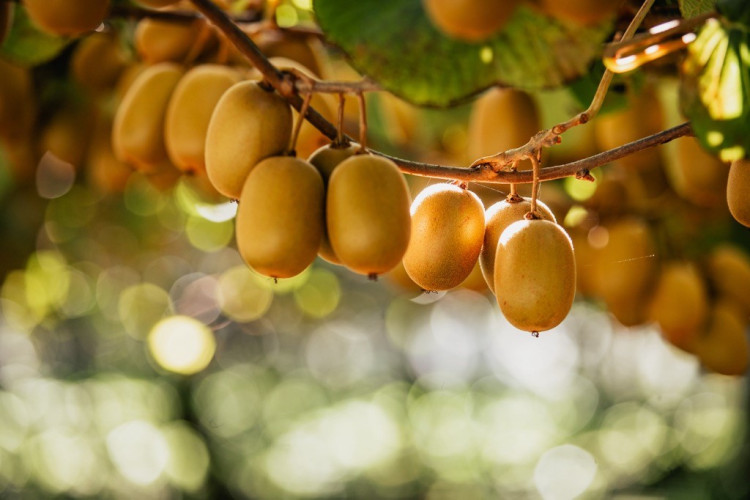
Mātai Pacific Iwi Collective was established in 2018 and manages kiwifruit interests on behalf of North Island-based iwi companies Te Arawa Group Holdings, Rotoma No 1 Incorporation and Ngāti Awa Group Holdings. In August 2025, this represented 225 hectares under management, across three different properties.
Charles Russell is the Chief Executive of Mātai Pacific Iwi Collective. He says he feels privileged to have grown up in New Zealand’s kiwifruit industry.
“My mother managed kiwifruit contracting in the Bay of Plenty in the '80s and 90s so I started out pruning vines when I was nine or 10. I’ve pretty much done every primary role in the industry, from picking to packing, logistics and management.”
Russell says the opportunity to oversee Mātai Pacific represented a way for him to contribute to the industry that raised him.
“This role is really meaningful because the focus isn’t just about commercial outcomes, it’s about creating intergenerational prosperity for our people.”
Sustainability is a key strategic focus for the Collective and its stakeholders, which made joining Westpac’s Sustainable Farm Loan programme a natural step.
“The application for the Sustainable Farm Loan really gave us insights into our practices and improvement goals... sustainability from a kaitiaki lens isn’t just about environmental factors, it’s also about making sure we’re economically viable and that we’re investing in our people.”
Westpac’s Sustainable Farm Loan is a whole of farm solution that provides discounted lending rates in return for customers working to meet the requirements of the Westpac Sustainable Farm Standard – a standard that encourages on-farm sustainability and resilience practices.
Russell says the self-assessment that’s required to enter the Sustainable Farm Loan programme prompted the Collective to reflect on initiatives it has undertaken over the past few years. According to Mātai Pacific, in the years prior to entering the Sustainable Farm Loan programme these included partnering with the Bay of Plenty regional council to create a biodiversity wetland area and working with Plant and Food Research on a biodiversity monitoring trial.
“It also helped us to look at what we weren’t doing – we've now mapped all the waterways we’re connected to, acknowledging our impact on the environment beyond the farm gate.
“Sustainability is very much a pathway – you'll never get it perfect, but it’s good to be on the journey,” Russell says.
Looking to the future, Russell says Mātai Pacific has ambitions to help other Māori organisations through ongoing sustainable investment in kiwifruit.
“We want to look at how Mātai Pacific can support other growers or Māori landowners to exercise their aspirations, helping them to grow in a way that is sustainable, intergenerational and transformative for Māori landowners and our communities.”
Westpac NZ will support this journey by offering financial solutions to Mātai Pacific Collective.
“We’ve had a great partnership with Westpac since day dot — the team are fantastic to work with and really meet our needs by providing us with advice and supporting us to grow,” Russell says.
Please note: This article is one customer’s experience. It does not take other individual circumstances and financial situations into account and does not constitute financial advice.
Things you should know.
Eligibility and lending criteria applies. Customers need to have at least $1,000,000 of total business lending with Westpac New Zealand. A fee from our independent verifier AsureQuality will apply.
Business lending products are only available for business and/or investment purposes and not for personal, domestic or household purposes.
Westpac Sustainable Farm Standard is designed as an all-of-farm sustainability criteria designed by AsureQuality exclusively for Westpac and is equivalent to the Sustainable Agriculture Finance Initiative (SAFI) Phase One Guidance for Livestock.
Borrowers have 24 months from the date of the loan to meet the Westpac Sustainable Farm Standard.
The information above does not take your personal financial situation or goals into account.